Cultural insights into gambling How traditions shape modern gaming experiences
The Historical Context of Gambling
Gambling has been a part of human culture for thousands of years, serving various purposes across different societies. In ancient civilizations, such as the Romans and Greeks, gambling was often associated with socializing and entertainment. It was a way to bond over competitive activities, leading to the development of games that would later evolve into modern casino games. Cultural beliefs heavily influenced how these activities were perceived, with some societies viewing gambling as a rite of passage while others treated it with suspicion.
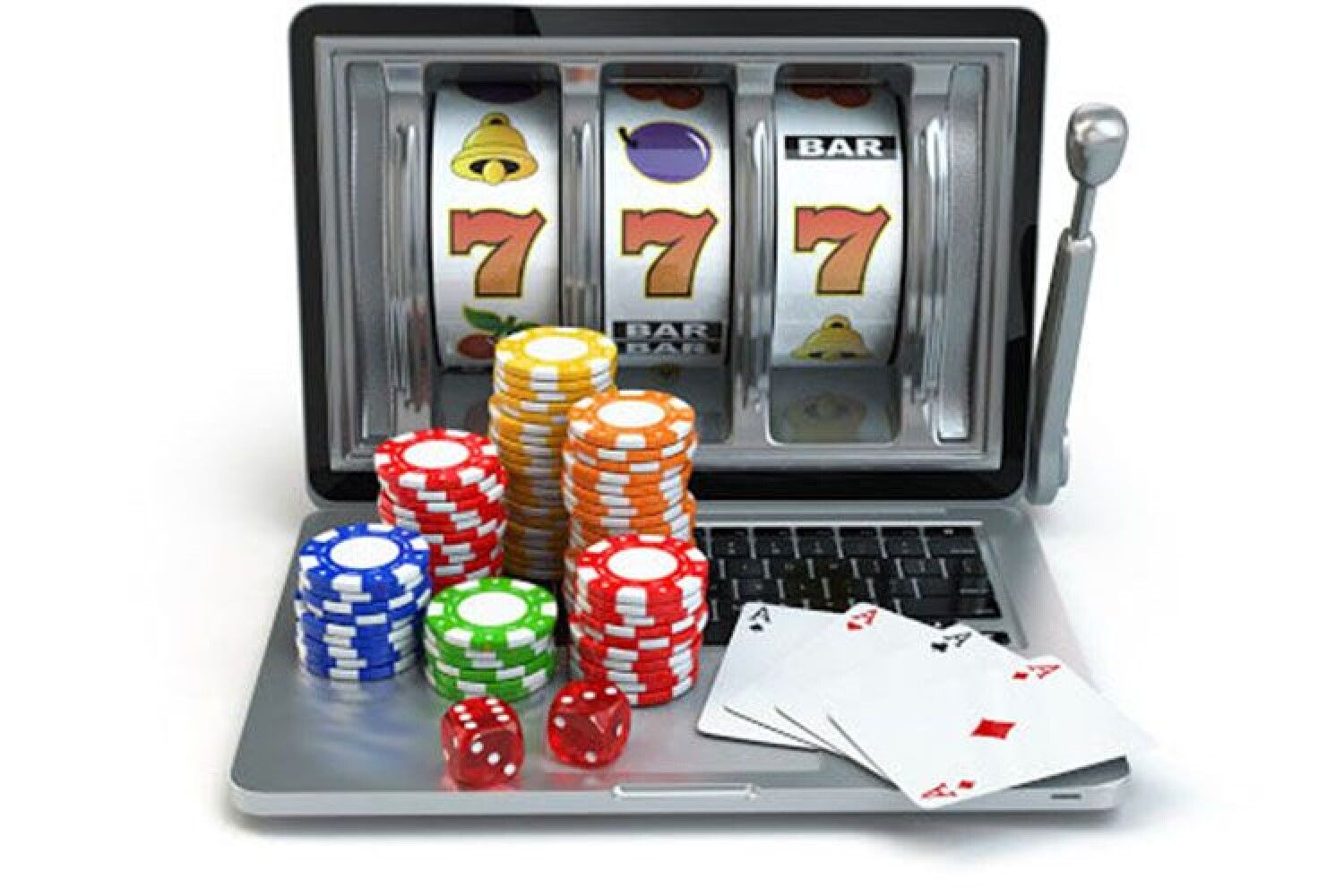
Various traditions have shaped the types of games that emerged from different cultures. For instance, the Chinese have a long-standing tradition of playing dice games, which eventually led to the creation of popular games like Mahjong. In contrast, European societies were instrumental in developing card games, which transitioned into poker and blackjack, two staples in contemporary casinos. Understanding this historical context reveals how cultural attitudes towards gambling can dictate not only the types of games played but also their acceptance within society.
As we look at the present, the impact of history remains evident in how modern casinos operate. Many casino games have retained their traditional roots while incorporating modern technologies to enhance the gaming experience. This blend of history and innovation showcases how traditions are not static; they evolve while still holding onto the essence of their origins. By recognizing this connection, players can gain a deeper appreciation of the games they enjoy today, especially at places like FastSpin99 Casino, where diverse options await everyone.
Cultural Attitudes Towards Gambling
Cultural attitudes towards gambling can vastly differ, influencing how individuals engage with gaming experiences. In some cultures, gambling is celebrated as a form of entertainment and a way to foster community bonds. In places like Las Vegas, gambling is embedded in the local culture, leading to a vibrant atmosphere filled with entertainment and social interactions. In these settings, the casino is more than just a place to gamble; it serves as a social hub where people gather to celebrate life’s milestones.
Conversely, other societies may view gambling through a more critical lens, associating it with moral decay or social irresponsibility. In many religious communities, gambling is frowned upon or outright prohibited. This skepticism can lead to a lack of acceptance of gambling-related activities, creating a cultural divide between those who enjoy gaming and those who oppose it. Understanding these varying perspectives helps to shape the modern gaming environment by illustrating how acceptance can influence gaming trends.
Moreover, contemporary attitudes are continuously evolving. With the rise of online casinos and mobile gaming, younger generations are more inclined to explore gambling as a legitimate form of entertainment. This shift in perspective signifies a broader acceptance of gambling practices, where traditions are challenged, and new forms of gaming emerge. Recognizing these cultural dynamics can help casino operators and developers tailor their offerings to meet diverse audience expectations.
The Influence of Technology on Traditional Games
Technology has significantly altered the landscape of gambling, transforming traditional games into engaging digital experiences. The introduction of online casinos has made it possible for players to enjoy their favorite games from the comfort of their homes. This shift not only increases accessibility but also allows for a broader range of gaming options, including live dealer games that replicate the atmosphere of physical casinos. These innovations keep traditional games relevant in a fast-paced digital world.
Additionally, gamification has been integrated into traditional gaming experiences, enhancing user engagement. Features like leaderboards, rewards, and interactive elements have made games more appealing to younger audiences who thrive on instant gratification. By incorporating these elements, traditional games can attract a new demographic while maintaining their cultural significance. The interplay between technology and tradition is vital for the future of gaming, as it ensures that beloved games remain in the spotlight.
Furthermore, technology also allows for the preservation of traditional gaming practices. Virtual reality (VR) and augmented reality (AR) technologies offer players the opportunity to experience games in immersive environments that reflect their cultural origins. For instance, players can participate in a traditional Asian game of Mahjong while being surrounded by digital recreations of its historical context. This merger of technology and tradition creates a richer gaming experience, allowing players to connect with their cultural heritage in innovative ways.
The Role of Social Context in Gaming Experiences
The social context surrounding gambling plays a crucial role in shaping individual gaming experiences. Casinos are not merely locations for gambling; they serve as social venues where people gather to celebrate or relax. The atmosphere, influenced by cultural traditions, dictates how people engage with games. In communal environments, people often share their gaming experiences, creating a sense of camaraderie that enhances the thrill of playing. This social aspect makes gambling more than just a solitary activity; it becomes a shared experience that can create lasting memories.
Moreover, cultural events and festivals often incorporate gambling, further integrating it into the fabric of social life. For example, many cultures celebrate New Year’s with games of chance, making gambling a traditional part of the festivities. These events allow individuals to connect with their heritage while enjoying the excitement of gaming. By understanding how social contexts influence gambling practices, it becomes clear that the experience is deeply rooted in cultural traditions and communal interactions.
As we navigate modern gaming environments, it’s essential to consider how social dynamics continue to evolve. The rise of online gaming has changed the social landscape, allowing individuals to connect with others globally. Gamers can now compete or collaborate with peers from different cultures, broadening their understanding of gambling practices worldwide. This globalization introduces new traditions and perspectives, enriching the overall gaming experience while honoring the cultural roots of traditional games.

FastSpin99 Casino: A Blend of Tradition and Modernity
FastSpin99 Casino exemplifies how traditional gaming experiences can blend seamlessly with modern technology. Featuring over 2,000 games, the platform provides a diverse range of options, from classic table games to immersive live casino experiences. This extensive selection caters to a wide audience, ensuring that both casual players and high rollers can find games that resonate with their preferences and cultural backgrounds. The variety offered reflects the importance of incorporating diverse traditions into the gaming environment.
Furthermore, FastSpin99’s commitment to fairness and security creates a trustworthy environment for players. By prioritizing user experience, the platform fosters a welcoming atmosphere where individuals can engage in gaming without concerns about safety or integrity. The welcoming approach encourages players to explore and appreciate the cultural nuances of the games available, which enhances their overall experience.
In conclusion, FastSpin99 Casino stands out by embracing the rich history of gambling while incorporating cutting-edge technology. This combination ensures that players not only enjoy their favorite games but also engage with the cultural significance behind them. As gaming continues to evolve, platforms like FastSpin99 highlight the importance of tradition in modern gaming experiences, creating a unique environment where players can indulge in their passion for games while celebrating cultural heritage.

Leave a Reply